In recent years, the demand for natural ways to enhance testosterone levels has surged. Many seek alternatives as synthetic options can come with unwanted side effects. Studies show that low testosterone affects around 40% of men over the age of 45. Natural solutions like "Herbs For Testosterone Boost" have gained attention among those looking for safer routes.
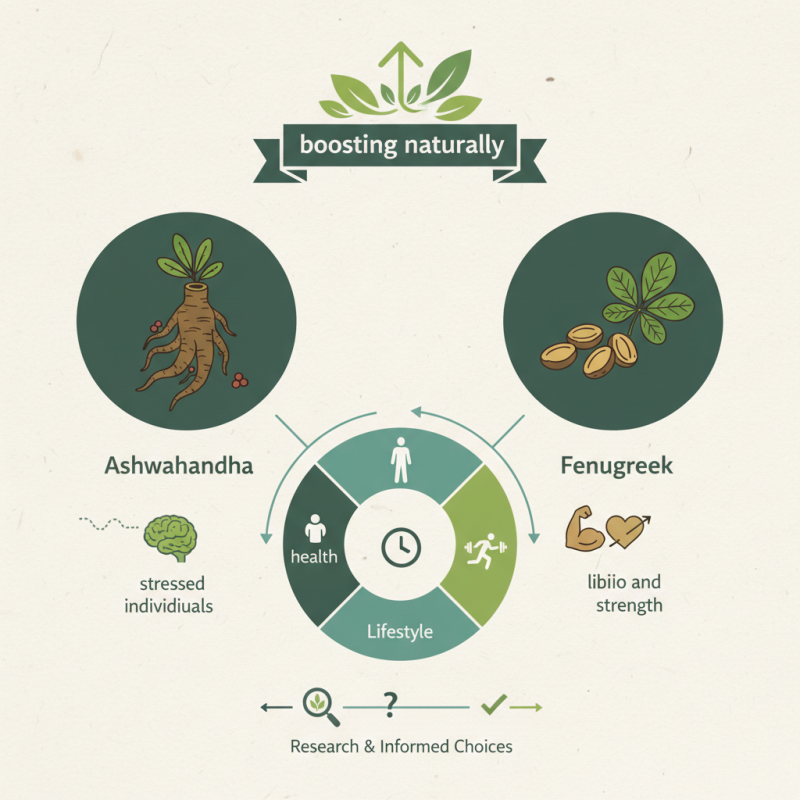
Research highlights several herbs renowned for their testosterone-boosting properties. For instance, a study published in the Journal of Ethnopharmacology indicated that ashwagandha can significantly increase testosterone levels in stressed individuals. Another herb, fenugreek, has demonstrated effectiveness in various clinical trials, showing improvements in libido and strength.
However, while these herbs show promise, not all are universally effective. Individual responses may vary based on health, age, and lifestyle factors. As interest in natural testosterone boosters grows, it is essential to approach this topic thoughtfully. Understanding the nuances of herbal supplements ensures informed choices and reflects a commitment to personal health.
Testosterone plays a vital role in men’s health. It influences muscle mass, bone density, and energy levels. Low testosterone can lead to fatigue, depression, and decreased libido. Understanding its impact is crucial for maintaining overall health.
The body produces testosterone naturally, but factors like age and stress can affect levels. Many people overlook dietary changes that can boost testosterone. Incorporating certain herbs and foods into your diet may help improve hormone balance. Some herbs have been traditionally linked to increased testosterone levels. However, much research is still needed in this area.
It’s important to approach testosterone health holistically. Regular exercise and a nutritious diet play essential roles. Yet, many struggle to make these lifestyle changes. Stress management is also necessary but often ignored. Taking small, consistent steps can lead to positive changes in hormone health over time.
Low testosterone levels in men can stem from various common causes. Age plays a significant role, as testosterone production naturally declines after age 30. Research indicates that men can lose about 1% of their testosterone levels each year after this point. This gradual decline often affects energy levels, mood, and muscle mass.
Lifestyle choices are critical as well. Sedentary behavior, poor diet, and obesity contribute significantly to low testosterone levels. A study published in the Journal of Clinical Endocrinology and Metabolism found that overweight men are 2.5 times more likely to have low testosterone. Additionally, high stress levels and inadequate sleep can also hinder testosterone production.
Environmental factors cannot be overlooked. Exposure to endocrine disruptors, such as certain chemicals found in plastics, may affect hormonal balance. A report from the Endocrine Society warns that these compounds can interfere with testosterone levels. Overall, understanding the multifaceted causes of low testosterone can help men recognize the importance of a healthy lifestyle and proactive health measures.
Testosterone plays a crucial role in various bodily functions. Many seek natural ways to boost this important hormone. Some herbs have gained popularity for their potential testosterone-enhancing properties. These herbs are worth considering if you are looking for natural alternatives.
One herb often mentioned in discussions is Ashwagandha. Known for its adaptogenic properties, it may help reduce stress. This reduction in stress can lead to increased testosterone levels. Another powerful option is Fenugreek. Some studies suggest that it might help boost testosterone while improving libido. Users report higher energy levels and improved mood after its consumption.
A lesser-known herb is Tribulus Terrestris. Historically used for various health benefits, it is thought to enhance natural testosterone levels. However, not everyone experiences the same results. The effectiveness of these herbs can vary from person to person. While they are generally considered safe, it is wise to consult a healthcare professional before starting any new herbal regimen. This approach ensures that you make informed choices, respecting your body’s unique needs.
Many herbs can help boost testosterone levels. Incorporating these herbs into your daily meals can be simple and effective. For instance, consider adding fenugreek seeds to your breakfast. They can enhance flavor and improve hormone levels. You can easily sprinkle them on oatmeal or mix them into smoothies.
Another great option is ashwagandha. This adaptogenic herb can reduce stress and support hormonal balance. You can find ashwagandha powder. Mix it into your morning coffee or yogurt for an easy addition. These small changes can have lasting effects on your testosterone levels.
Lastly, garlic is not only a flavor enhancer but also a testosterone supporter. It contains compounds that may help improve hormone production. Try it roasted or minced in salads and dishes. Remember, these herbs work best when used consistently. However, individual responses can vary. Monitor how your body reacts and make adjustments as needed.
Herbal supplements can offer natural ways to boost testosterone levels. However, users should approach them with caution. Each herb has potential side effects that may not be widely known. For instance, some may cause mild digestive issues, while others could lead to hormonal imbalances.
When considering herbal options, it’s essential to consult with a healthcare professional. This helps in assessing individual health conditions and avoiding adverse reactions. Some herbs can interact with medications or exacerbate certain health problems. Therefore, understanding the risks is crucial before starting any regimen.
Incorporating these herbs into your routine can be beneficial, but it’s vital to listen to your body. Regular monitoring of your health is important. This allows you to spot any negative effects early on. Finding the right balance is necessary for safe and effective use.
: Age is a significant factor, as testosterone levels decline after age 30. Lifestyle choices also play a crucial role.
Overweight men are 2.5 times more likely to have low testosterone levels. Maintaining a healthy weight can help.
Yes, high stress levels can hinder testosterone production. Finding ways to manage stress is essential.
Fenugreek, ashwagandha, and garlic can help. These herbs can be easily added to meals and drinks.
You can sprinkle fenugreek seeds on oatmeal or mix them into smoothies. It's a simple addition to your breakfast.
Yes, some may cause mild digestive issues or hormonal imbalances. Understanding these risks is important.
Absolutely. Consulting helps assess health conditions and avoid negative interactions with medications.
Regular monitoring is vital to spot any negative effects early on. Adjust your intake based on your body's response.
Yes, exposure to endocrine disruptors in plastics can interfere with hormonal balance. Reducing exposure may help.
Inadequate sleep can hinder testosterone production. Prioritizing quality sleep is important for hormone health.
Testosterone plays a crucial role in men's health, affecting everything from muscle mass to mood. Low testosterone levels can be attributed to various factors, including age, stress, and poor diet. Fortunately, certain herbs for testosterone boost have gained attention for their potential to enhance testosterone levels naturally.
Prominent among these are herbs like ashwagandha, fenugreek, and tribulus terrestris, known for their ability to improve hormonal balance. Incorporating these herbs into your diet can be achieved through supplements or by adding them to meals. However, it’s important to consider potential side effects and consult with a healthcare provider before starting any new herbal regimen. Utilizing these natural solutions may support testosterone levels and overall well-being.

Neo-Green Herbs