Choosing the best herbal products for your health can be overwhelming. Many options exist, but not all are created equal. According to Dr. Jane Smith, a leading expert in herbal medicine, "Quality and sourcing are key when selecting herbal products." Her words remind us to prioritize quality.
When exploring herbal products, consider the sourcing. Products should come from reputable suppliers. Look for certifications that ensure quality. It's essential to read labels and understand ingredients. Many people assume all herbal remedies are safe, but this is not always the case. Some products may contain harmful additives.
Research is vital in this process. Personal needs vary greatly, and what works for one may not work for another. Reflection on your health goals can guide your choices. In the end, finding the best herbal products involves a balance of knowledge and caution. Trust your instincts, but back them with informed decisions.
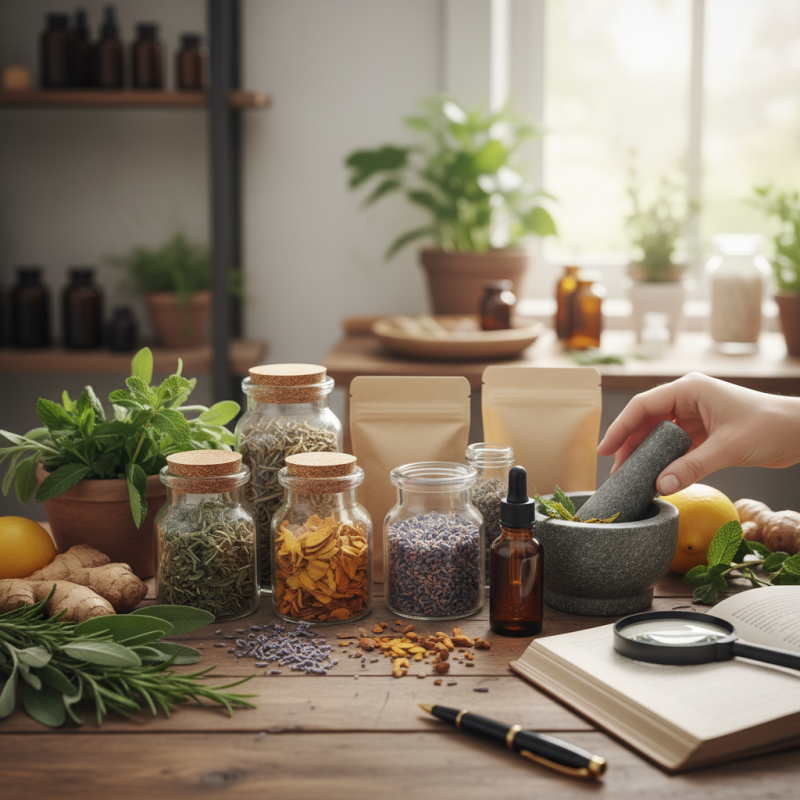
Identifying your health needs and goals is a key step in choosing the best herbal products. Start by reflecting on your lifestyle. Are you feeling fatigued? Do you struggle with digestion? Perhaps stress weighs heavily on you. These questions can guide your journey. Herbal remedies can offer support, but they are not a one-size-fits-all solution.
Once you have a clearer picture of your health, research different herbs and their benefits. Some may boost energy. Others could aid digestion or improve sleep quality. However, it’s vital to consider potential side effects. Not every herb suits every person. You might find yourself allergic to certain ingredients. Be open to experimentation, but stay mindful of your body's responses.
Set realistic goals when incorporating herbal products. Aim for gradual improvements. Consistency is often more important than quick fixes. It’s okay to face challenges along the way. Sometimes an herb may not work as expected. This is an opportunity to learn more about your body. Adjust your approach as needed and keep refining your choices.
| Herbal Product | Health Benefit | Target Audience | Usage Form | Recommended Dosage |
|---|---|---|---|---|
| Chamomile | Promotes relaxation and sleep | Adults with insomnia | Tea or capsules | 1-2 cups of tea or 200mg capsules before bedtime |
| Ginger | Helps with digestion and nausea | Individuals suffering from digestive issues | Tea, gummies, or capsules | 1000mg - 2000mg daily |
| Turmeric | Anti-inflammatory properties | Individuals with chronic pain or inflammation | Powder, capsules, or tinctures | 500mg - 2000mg daily |
| Echinacea | Boosts the immune system | Individuals prone to colds and infections | Tea, capsules, or liquid extract | 300mg - 500mg three times a day |
| Ginkgo Biloba | Improves memory and cognitive function | Older adults or those with memory issues | Capsules or extracts | 120mg - 240mg daily |
: Look for articles from reputable health organizations or academic institutions. They usually have strong research backing.
Reliable articles will often link to research papers, providing valuable insights about effectiveness and safety.
Be cautious. Anecdotal claims can be misleading and may not apply to everyone. Balance them with evidence.
Yes, consulting a healthcare professional is crucial. They can guide you on safety and potential interactions with medications.
Herbal products come in teas, capsules, tinctures, and powders. Each has unique benefits and potential drawbacks.
Herbal teas are soothing and easy to prepare, but they may lack potency compared to concentrated options.
Tinctures provide a concentrated dose and longer shelf life, though some may find their taste challenging.
No, individual reactions vary. What benefits one person may cause discomfort for another. Research and listen to your body.
Choose products based on personal preferences and health goals. It's essential to be informed about each type’s effects.
It ensures you make informed choices, considering both benefits and risks. Invest time for better health outcomes.
Choosing the best herbal products for your health requires a thoughtful approach that begins with identifying your specific health needs and goals. Understanding what you aim to achieve with herbal remedies, whether it’s stress relief, improved immunity, or digestive support, sets the foundation for your selection process.
Once you have established your health objectives, it's crucial to research credible sources for herbal product information. This includes checking for quality and safety standards, ensuring that any products you consider are backed by reputable evidence. Familiarizing yourself with the different types of herbal products available will further aid in making informed choices. Finally, consulting with healthcare professionals can provide personalized guidance, ensuring that the best herbal products align with your overall health strategy.

 Neo-Green Herbs