The market for TCM granules has been steadily expanding. Recent industry reports suggest a growth rate of over 10% annually. This reflects rising global interest in Traditional Chinese Medicine. Many companies aim to capitalize on this demand, yet purchasing TCM granules effectively is crucial for success.
Ensuring quality is essential in sourcing TCM granules. Various studies indicate that the potency of herbal medicines can vary significantly. This inconsistency poses challenges in both efficacy and safety. Buyers must prioritize suppliers who provide transparency in their manufacturing processes. Regrettably, some suppliers may not adhere to stringent quality standards, leading to potential issues down the line.
Moreover, understanding regulatory guidelines is vital. The FDA and other governing bodies impose regulations on herbal products. Companies must navigate these to ensure compliance. Selecting the right partners for sourcing TCM granules requires diligent research. Industry experts recommend assessing suppliers based on reliability and certification. Ultimately, the growth of your business hinges on the quality and authenticity of the TCM granules you purchase.
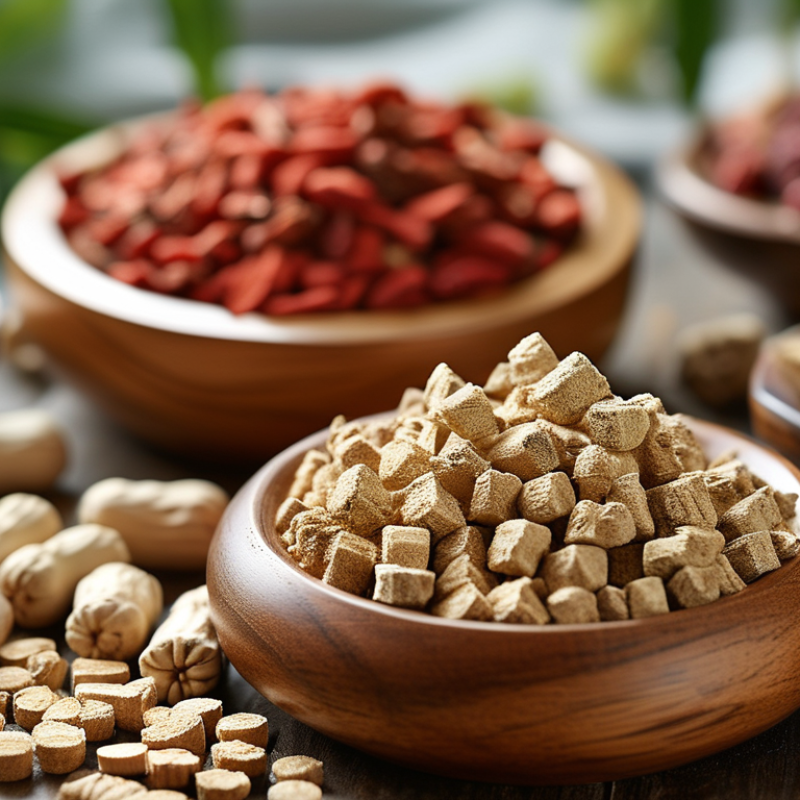
Traditional Chinese Medicine (TCM) granules are a convenient way to access herbal remedies. They are made from natural herbs, simplifying the preparation process. For businesses, they offer a reliable method to provide customers with effective health solutions. Understanding the benefits of TCM granules is essential for leveraging these products.
The granules retain the essence of the herbs. Their easy dissolvability allows for swift preparation. Businesses can cater to clients who seek natural healing options. However, quality control is crucial. You need to source from reliable suppliers to ensure potency and safety. This adds a layer of responsibility that some may overlook.
Choosing the right granules involves research. Businesses should understand the various herb combinations and their specific health benefits. This knowledge helps tailor products to customer needs. Not every granule may be effective for each individual. Continuous learning and feedback from customers can refine choices. The pursuit of quality in TCM granules is an ongoing journey, not a destination.
Finding reliable suppliers for TCM granules is pivotal for any business in this field. You want to ensure that the products meet both quality standards and regulatory requirements. Start by researching suppliers who specialize in traditional Chinese medicine. Look for companies with a history of transparency and good practices.
Consider visiting suppliers’ facilities if possible. This allows you to assess their production processes and quality control measures firsthand. Always request samples before making bulk purchases. This helps you evaluate the granules' quality and authenticity.
Tips: Establish long-term relationships with suppliers. Regular communication fosters trust and ensures you stay updated on new products. Create an evaluation checklist. Use it to assess potential suppliers on various factors like certification, customer service, and product consistency. Be aware of any irregularities during your evaluations; they could indicate deeper issues.
When purchasing TCM granules, quality is paramount. Evaluating quality standards and certifications can be a complex task. Look for manufacturers that adhere to recognized quality management systems. Certifications such as GMP (Good Manufacturing Practices) indicate that the products are produced under stringent guidelines. This suggests a commitment to safety and quality.
Additionally, inspecting ingredient sources is crucial. Reliable suppliers often disclose their sourcing methods and test results. Transparency builds trust with your business. You might find different granule types with various potency levels. Understanding these differences is critical for your product offerings. Some granules may not meet your expected standards.
Keep in mind that not all certifications are created equal. Some may be more rigorous than others. It's essential to research the issuing organizations of any certifications. This part may involve extra time but can save potential headaches down the line. Always be cautious of flashy labels or claims that seem too good to be true. Quality assurance is a continuous journey, not a one-time check. Regular audits and feedback from customers can help you maintain high standards.
| Quality Standard | Certification | Description | Importance |
|---|---|---|---|
| GMP | ISO 9001 | Good Manufacturing Practices ensure products are consistently produced and controlled. | Ensures safety and efficacy of TCM granules. |
| HACCP | USDA Organic | Hazard Analysis and Critical Control Points identifies and controls food safety hazards. | Protects consumers from health risks. |
| Pharmacopoeia Standards | NSF Certification | Standards for identity, strength, quality, and purity of the products. | Provides assurance of product quality. |
| ISO 22000 | FSSC 22000 | Food safety management systems to ensure food safety throughout the supply chain. | Ensures the products are safe for consumption. |
Negotiating pricing and payment terms with suppliers is crucial for any business dealing with TCM granules. Research shows that effective negotiations can reduce costs by at least 15%. Understanding market standards helps in setting reasonable price expectations. Various reports indicate that suppliers often retain price flexibility. This means businesses can leverage this flexibility to their advantage.
When entering negotiations, clarity is key. Start by outlining your business needs. Discuss volume requirements and delivery timelines. Often, suppliers appreciate communication and transparency. This can lead to better pricing structures or discounts for bulk orders.
Payment terms are just as important. Reports show that favorable terms can improve cash flow. Many suppliers offer discounts for early payments. However, businesses must ensure that their cash flow supports these arrangements. Be aware of potential pressure points. A hasty decision could lead to unfavorable terms in the long run. It’s essential to create a balance between achieving cost savings and maintaining a reliable supply chain.
Managing inventory and storage of Traditional Chinese Medicine (TCM) granules is crucial for any business in this field. The demand for TCM products has been rising significantly. According to recent market research, the global TCM market is projected to reach over $200 billion by 2025. This growth presents both opportunities and challenges.
Proper inventory management is key to meeting customer needs. Businesses must implement systematic tracking methods. Utilizing software solutions can help monitor stock levels accurately. However, many companies still rely on outdated practices, which can lead to overstocking or stockouts. In fact, studies show that inefficient inventory management can lead to a profit loss of up to 20%.
Storage conditions also deserve attention. TCM granules are sensitive to humidity and temperature fluctuations. A controlled environment can extend their shelf life. Yet, improper storage can spoil products, raising costs. It's essential to regularly review storage protocols. Small adjustments can have a significant impact on product quality. Ensuring adequate training for staff on these protocols is often overlooked but can lead to better outcomes in product handling.
: TCM granules are concentrated herbal remedies made from natural herbs. They are easy to prepare and use.
They provide effective health solutions. Businesses can meet customer demand for natural healing options with these products.
Quality control ensures safety and potency. Sourcing from reliable suppliers is crucial to avoid potential health risks.
Research different herb combinations and their benefits. Consider customer feedback and personalize products accordingly.
Look for transparent suppliers with good practices. Evaluate their certifications and production processes for quality assurance.
Request samples to evaluate quality. Inspect certification levels and sourcing methods to ensure product reliability.
Look for GMP certifications which indicate adherence to safety and quality standards. Not all certifications are equal.
Overlooking supplier evaluations can lead to issues. Be wary of flashy claims that seem unlikely; conduct thorough research.
Regular audits and ongoing communication are essential. Continuous evaluation helps maintain product quality and strengthens relationships.
Not every granule may be effective for all individuals. Continuous learning is necessary for better product alignment.
Purchasing TCM granules effectively is crucial for businesses looking to integrate traditional Chinese medicine into their offerings. Understanding TCM granules and their benefits is the first step, as they can enhance product range and meet consumer demand for natural remedies. Identifying reliable suppliers is key to ensuring quality and consistency in your purchases. Evaluating quality standards and certifications will further help in maintaining the efficacy of the TCM granules.
Negotiating favorable pricing and payment terms with suppliers can enhance profitability, while effective inventory management and storage practices are vital to preserving the integrity of TCM granules. By following these guidelines, businesses can successfully navigate the process of acquiring TCM granules and build a sustainable approach to meet their customers’ needs.

Neo-Green Herbs