Finding reliable Chinese Clinics in 2026 requires more than comparing star ratings or attractive websites. A clinic may display modern equipment, yet hide unclear fees or weak follow-up systems. Trust begins with verifiable evidence: legal registration, named physicians, published qualifications, and clear treatment plans. Patients should also confirm whether the clinic accepts international records and provides understandable consent documents.
The World Health Organization’s Global Patient Safety Report 2024 states that approximately one in ten patients experiences harm during healthcare, with more than half considered preventable. This figure makes basic safety checks essential. Look for visible infection-control procedures, medication explanations, emergency arrangements, and secure handling of medical records. The WHO Global Patient Safety Action Plan 2021–2030 also emphasizes patient participation, reporting systems, and safer care coordination. These are practical signs, not marketing slogans.
Independent accreditation can add confidence, but it is not a guarantee. Joint Commission International standards examine areas such as patient rights, medication safety, infection prevention, and clinical governance. Still, accreditation status should be checked directly through the accreditor’s current directory. China’s official health statistical publications can provide useful context about hospitals, staffing, and service capacity, but they do not rank every private clinic. That distinction matters.
Ask specific questions.
Who will treat you?
How are complications managed?
What happens after discharge?
A reliable review should examine answers, not promises. It should also acknowledge uncertainty. Online testimonials may be genuine, selective, or outdated. This guide therefore combines official records, professional standards, transparent communication, and careful patient experience when assessing Chinese Clinics in 2026.
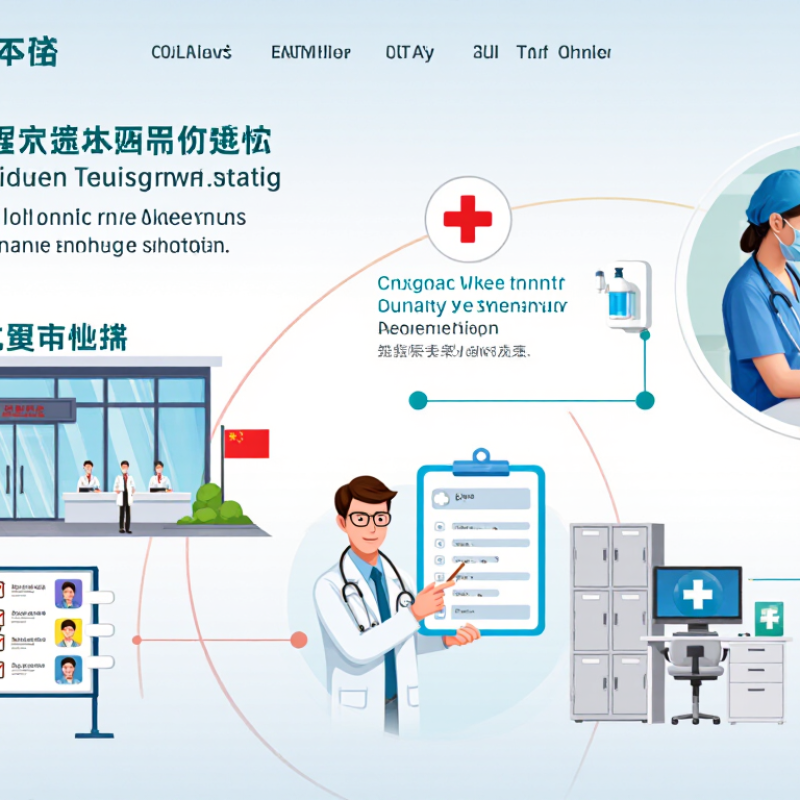
A reliable Chinese clinic in 2026 should be verifiable, transparent, and clinically accountable. Its licence should be displayed and confirmed through the relevant local health authority. Physician qualifications, treatment scope, and registration details should be easy to check. Trust needs evidence.
The World Health Organization’s Global Patient Safety Report 2024 estimates that one in ten patients experiences harm during healthcare. More than half of this harm is considered preventable. Therefore, a dependable clinic should document infection-control procedures, explain treatment risks, and provide clear follow-up instructions. During a real visit, observe practical details: sealed instruments, hand hygiene, readable consent forms, and staff who answer questions without pressure. Small signs matter.
Pricing should be itemised before treatment, including consultation, tests, medicines, and possible referrals. The clinic should protect medical records and offer a clear complaint process. The OECD’s Health at a Glance 2023 stresses the importance of patient-centred care, yet online ratings rarely prove clinical quality. Reviews can be useful, but they may be selective or outdated. I would also check whether the clinic can provide records in Chinese or English and arrange emergency referral when necessary. No checklist is perfect. A polished reception cannot replace competent care.
A reliable Chinese clinic should show more than polished photos and fluent English. Ask for its official medical institution license, registration number, address, and approved practice scope. Verify these details through the relevant local health authority before booking. The license should match the clinic’s legal name, location, and services. Check its expiry date too.
Medical staff require separate verification. Confirm each doctor’s registration, specialty, qualifications, and years of relevant clinical practice. Request the treating doctor’s full name before paying a deposit. Certificates should be independently verifiable, not merely uploaded as images. The World Health Organization’s Global Patient Safety Report 2024 states that about one in ten patients experience harm during healthcare, with more than half considered preventable. Credentials cannot remove all risk, but they reduce avoidable uncertainty.
Ask who provides anesthesia, imaging, laboratory testing, and follow-up care. A clinic should explain emergency procedures in clear language. It should also provide itemized prices and written treatment records. I would not treat a high review score as proof of medical quality. Reviews may describe kindness, not clinical outcomes. A short verification call can reveal missing answers, vague titles, or pressure to pay quickly. That matters. Keep copies of licenses, consent forms, prescriptions, and invoices. If staff resist reasonable checks, pause and reconsider.
Finding a reliable Chinese clinic in 2026 requires more than comparing prices. Compare the proposed treatment, diagnosis, expected results, and possible complications. Ask whether the clinic explains alternatives in plain English.
The World Health Organization reports that one in ten patients experiences harm during healthcare, with over half considered preventable. That makes safety questions essential. Request evidence of specialist training, infection-control procedures, emergency support, and access to pathology or imaging services.
Facilities deserve close inspection. Check whether consultation rooms look clean, equipment has recent maintenance records, and staff explain who handles emergencies. China’s National Health Commission reported more than 9.5 billion medical visits in 2023, showing the system’s enormous scale, but volume does not prove quality.
Compare itemized costs, including tests, medicines, anesthesia, accommodation, translation, follow-up, and possible revision procedures. A low headline price can become expensive later.
Patient reviews can reveal practical details, such as waiting times, communication, and discharge support. Read recent reviews from several platforms, not selected testimonials. Look for verified treatment dates and balanced criticism. I would distrust perfect ratings. They feel polished, not necessarily reliable.
My checklist helps, but it cannot replace an independent medical opinion. Ask for anonymized outcome data when possible, and keep copies of consent forms, invoices, and clinical records. WHO’s patient-safety guidance also supports clear communication and informed decisions, especially when treatment crosses language and cultural boundaries.
Finding a reliable Chinese clinic requires more than attractive websites or quick replies. Communication is a safety check. Ask whether a licensed clinician will explain the diagnosis, alternatives, risks, and expected recovery in clear English. Request written prices, treatment steps, medication instructions, and emergency contacts. Confirm the interpreter’s role, too. Translation can miss important details.
The World Health Organization reports that up to four in ten patients experience harm in primary and outpatient care, with many incidents considered preventable. Before treatment, verify the clinic and practitioner through the relevant Chinese health authority. Check registration details, qualifications, informed-consent procedures, and access to complete medical records. Ask how instruments are sterilized and how infections are monitored. WHO’s 2022 infection-control report estimates healthcare-associated infections affect 7 in 100 acute-care patients in high-income countries and 15 in 100 in low- and middle-income countries. Those figures deserve practical questions, not panic.
Aftercare should be specific, not promotional. Ask who reviews complications, how quickly a clinician responds, and where urgent care is provided after discharge. Confirm whether follow-up can happen by video, phone, or a local doctor. Keep copies of reports, prescriptions, images, and payment records. A clinic that avoids written answers deserves caution. I once viewed frequent messages as reassuring; that was an incomplete test. Responsiveness matters, but clinical accountability matters more.
Finding a reliable Chinese clinic in 2026 starts with verification, not attractive photographs. Check whether the clinic displays valid medical licensing, qualified doctors, and relevant specialist training. Confirm that the listed address matches the consultation location. A hospital registration desk should also explain how complaints and emergency care are handled.
Ask for a written treatment plan before paying a deposit. It should describe the diagnosis, proposed procedure, alternatives, expected benefits, possible risks, recovery time, and follow-up schedule. Request an itemised quote, including tests, medicines, accommodation, and possible additional charges. The doctor should answer questions through a qualified interpreter when needed. Do not rely on informal translations.
Bring recent medical records, allergy details, and a complete medication list. Ask who will perform each part of the treatment. Confirm the doctor’s experience with cases similar to yours, using official credentials rather than social media claims. A second medical opinion can reveal missing information. It may feel inconvenient.
Be careful with pressure to decide quickly. A trustworthy clinic allows time for consent and explains what happens if treatment must change. Keep copies of scans, consent forms, invoices, and contact details for aftercare. No checklist is perfect; even careful patients can misunderstand medical language or overlook recovery costs. That is why written confirmation matters.
| No. | Evaluation Dimension | What to Verify | Reliable Evidence or Safe Action | Warning Signs | Priority |
|---|---|---|---|---|---|
| 1 | Legal Registration and License | Confirm that the facility is legally permitted to provide the specific medical services advertised. | Check the clinic through the relevant Chinese government health-administration records and request the facility’s current practice information in writing. | The clinic refuses to provide registration details, uses an unclear address, or claims that no formal medical documentation is necessary. | Required |
| 2 | Practitioner Credentials | Verify the treating physician’s professional qualification, specialty, and experience with the proposed procedure. | Ask for the physician’s full name, specialty, professional registration information, and an explanation of who will personally perform each part of treatment. | Only sales staff provide medical advice, the physician’s identity is withheld, or qualifications cannot be independently checked. | Required |
| 3 | Independent Diagnosis | Determine whether the diagnosis is based on an appropriate medical history, examination, and relevant tests. | Request a written diagnosis and ask why each examination or test is medically relevant. Obtain a second opinion for invasive, irreversible, or high-cost treatment. | A treatment package is recommended before a proper examination, or tests are described as mandatory without a clinical explanation. | Required |
| 4 | Written Treatment Plan | Confirm the diagnosis, treatment objective, method, number of sessions, expected recovery, and follow-up arrangements. | Receive a dated plan in a language you understand, including the treatment provider, materials or medicines, alternatives, and conditions that would change the plan. | The plan is only verbal, changes frequently without explanation, or promises a guaranteed result. | Required |
| 5 | Risks and Alternatives | Understand common side effects, serious complications, contraindications, alternatives, and the consequences of no treatment. | Ask the physician to explain benefits and risks in plain language. Take time to decide and do not sign consent forms you cannot understand. | Risks are dismissed, alternatives are not discussed, or you are pressured to pay or consent immediately. | Required |
| 6 | Total Cost and Payment Terms | Identify the complete expected cost, including consultations, tests, medicines, anesthesia, facility fees, follow-up, and possible additional treatment. | Request an itemized written quotation in Chinese and English where possible, together with deposit, cancellation, refund, and tax information. | Only a package price is given, fees are payable only in cash or to a personal account, or the clinic refuses to issue receipts. | Required |
| 7 | Medication and Product Safety | Check the generic name, dosage, source, expiration date, intended use, and known contraindications of medicines or medical products. | Ask for labels, usage instructions, batch or registration information where applicable, and a record of everything administered or implanted. | Products are unlabeled, the ingredients are undisclosed, or the clinic claims that a product has no possible adverse effects. | Required |
| 8 | Infection Prevention and Facility Standards | Assess whether the facility follows appropriate hygiene, sterilization, waste-disposal, and emergency-preparedness procedures. | Ask how reusable instruments are sterilized, how single-use items are handled, and where urgent complications would be treated. | Unclean treatment areas, opened sterile packages, reused disposable items, or no clear emergency process. | Required |
| 9 | Communication and Translation | Ensure that medical information, consent forms, prescriptions, and discharge instructions can be understood accurately. | Use a qualified medical interpreter when needed and have important instructions translated in writing rather than relying only on automatic translation. | The interpreter is also the salesperson, key documents are unavailable in an understandable language, or questions are discouraged. | Recommended |
| 10 | Medical Records and Privacy | Confirm how examination results, images, prescriptions, consent forms, and payment records will be stored and provided to you. | Request copies of your records and ask how personal and health information will be collected, used, shared, and protected. | The clinic requests unnecessary identity or health information, refuses copies of records, or seeks permission to publish images without clear consent. | Required |
| 11 | Aftercare and Emergency Support | Know who to contact after treatment, how quickly concerns will be answered, and where emergency care is available. | Obtain written aftercare instructions, follow-up dates, emergency contact details, and a plan for complications after returning home. | No follow-up is included, emergency calls are handled only by sales staff, or the clinic advises delaying urgent medical care. | Required |
| 12 | Independent Reviews and Complaints | Evaluate whether feedback appears consistent and specific rather than relying on testimonials alone. | Compare multiple independent sources, look for recurring complaints, and learn the formal process for requesting records or raising a medical concern. | Only anonymous testimonials are available, negative feedback is aggressively removed, or the clinic discourages independent research. | Recommended |
| 13 | Travel and Medical Insurance | Determine whether travel or health insurance covers the planned treatment, complications, evacuation, and follow-up care. | Obtain written confirmation from the insurer before treatment and keep medical records, invoices, prescriptions, and travel documents. | The clinic guarantees insurance reimbursement or tells you that insurance approval is unnecessary. | Recommended |
| 14 | Final Decision Check | Confirm that you understand the treatment and are choosing it voluntarily without pressure. | Use a checklist: verified credentials, written diagnosis, alternatives, risks, total cost, consent, records, aftercare, and emergency arrangements. | You feel rushed, cannot explain the treatment in your own words, or important answers remain unresolved. | Stop and Recheck |
Safety principle: A reliable clinic should provide verifiable information, informed consent, itemized costs, appropriate medical records, and a clear plan for follow-up and emergencies. This checklist does not replace advice from an independently chosen licensed healthcare professional.
Ask for the official medical institution license, registration number, address, and approved services. The legal name should match every document. Check the expiry date. Verify details through the relevant local health authority. A polished website proves very little.
Request the doctor’s full name before paying any deposit. Confirm registration, specialty, qualifications, and relevant clinical experience. Use independently verifiable records, not uploaded certificate images alone. Ask who performs anesthesia, imaging, testing, and follow-up care. Titles can sound impressive.
It should explain the diagnosis, proposed treatment, alternatives, benefits, risks, and recovery period. It should also identify each treating professional. Ask for the follow-up schedule and possible treatment changes. Bring recent records, allergy details, and a complete medication list. Do not rely on memory.
Request an itemized quotation before paying. It should include consultations, tests, medicines, procedures, accommodation, and possible extra charges. Ask whether emergency care or extended recovery creates additional costs. Keep invoices and payment records. Unexpected charges matter.
Ask whether a licensed clinician will explain the diagnosis, risks, alternatives, and recovery. Request written instructions in clear English. Confirm the interpreter’s exact role. Informal translation may omit important details. Fast replies are not enough. I once treated frequent messages as reassuring, but that was incomplete judgment.
Ask how instruments are sterilized and how infections are monitored. Request an explanation of emergency procedures and complaint handling. Confirm where urgent care is provided after discharge. A clinic should answer specific questions without pressure. Vague answers deserve caution.
Ask who reviews complications and how quickly a clinician responds. Confirm whether follow-up uses video, phone, or a local doctor. Request written emergency contacts and medication instructions. Keep reports, prescriptions, images, consent forms, and invoices. Aftercare cannot remain promotional.
Pause if staff resist reasonable verification or demand a rushed decision. A second opinion may reveal missing risks, costs, or alternatives. Compare official credentials, not social media claims. No checklist catches everything. I may still misunderstand medical language, so written confirmation remains essential.
Finding reliable Chinese Clinics in 2026 requires more than comparing prices or browsing attractive websites. A trustworthy clinic should demonstrate valid licenses, transparent ownership, qualified medical professionals, appropriate facilities, and a clear record of safe patient care. Patients should review the clinic’s treatment options, equipment, expected results, total costs, and independent patient feedback. It is also important to confirm whether the clinic follows recognized hygiene, infection-control, privacy, and emergency procedures.
Clear communication is equally essential, especially for international patients. Before making a decision, verify language support, consultation arrangements, treatment risks, recovery expectations, follow-up care, and aftercare availability. Request a written treatment plan that explains the procedure, timeline, fees, possible complications, and cancellation or refund conditions. By checking credentials carefully, asking detailed questions, and avoiding pressure to decide quickly, patients can select a suitable clinic and confirm their treatment plan safely and confidently.

Neo-Green Herbs