China Top 10 Single Herbs Manufacturers for Global Buyers

Time:2026-10-17 Author:Ethan
0%

China’s Single Herbs industry is attracting global buyers seeking traceable, consistent, and scalable botanical ingredients. The World Health Organization’s Global Traditional Medicine Strategy 2025–2034 notes that 170 Member States report using traditional medicine. This figure signals broad demand, but demand alone does not prove quality. Buyers still need evidence.

China offers deep cultivation experience across roots, leaves, flowers, seeds, and barks. Its manufacturing base also supports drying, cutting, milling, extraction, packaging, and private-label supply. UN Comtrade trade records consistently place China among the major global suppliers of medicinal and aromatic plants. However, export volume should never replace technical assessment. A large shipment can still hide weak traceability or uneven batch control.

This guide examines ten Chinese manufacturers serving international buyers. The evaluation considers processing capacity, botanical identification, GMP alignment, laboratory testing, export experience, and documentation quality. Practical checks include Certificates of Analysis, pesticide-residue results, heavy-metal testing, microbial limits, and country-of-origin records. Clear lot numbers matter when a buyer is inspecting twenty-five-kilogram cartons in a warehouse.

The ranking is useful, but it is not absolute. Market visibility can favor larger companies, while smaller processors may offer stronger farm-level control. That limitation deserves attention. Buyers should verify certifications directly, request recent samples, and compare specifications before signing contracts. Regulatory expectations also differ between food, supplements, cosmetics, and traditional medicine markets. The best supplier is therefore not simply the biggest name. It is the manufacturer that can repeatedly deliver the right herb, at the agreed specification, with evidence that survives professional review.
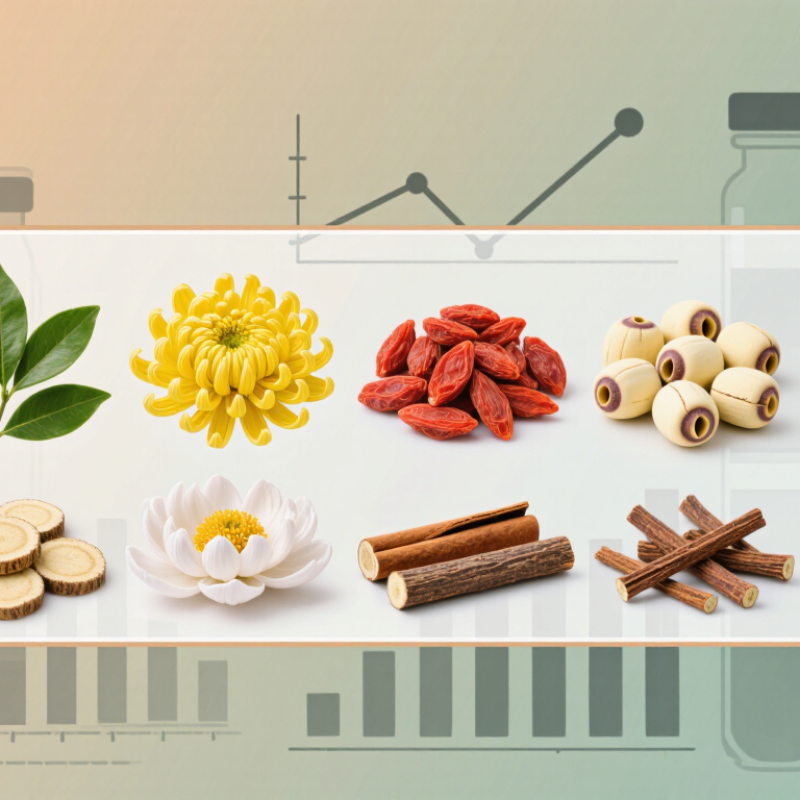
China Top 10 Single Herbs Manufacturers for Global Buyers

What Single Herbs Are and Why Chinese Manufacturers Matter

Single herbs are botanical ingredients made from one plant species, such as dried roots, leaves, flowers, seeds, or standardized extracts. They are not automatically “pure” because processing can affect identity and strength. The World Health Organization reports that 88% of its Member States acknowledge using traditional medicine, showing the sector’s broad global relevance. Demand is also expanding beyond traditional pharmacies.

China matters because it combines large-scale cultivation, diverse growing regions, and experienced botanical processing. According to Grand View Research, the global herbal medicine market was valued at about USD 207.1 billion in 2022. Chinese manufacturers serve this demand with dried materials, powders, and extracts for qualified international buyers.

Climate variation matters. Sichuan’s humid fields and Gansu’s dry farmland can produce different quality profiles from the same herb.

Quality needs evidence, not confident wording. A reliable supplier should provide botanical identification, batch traceability, moisture results, microbiological testing, and checks for pesticides and heavy metals. The European Medicines Agency also emphasizes documented quality controls for herbal substances and preparations.

In practical purchasing, inspect the sample under good lighting. Check its color, aroma, cut size, and packaging seal. Cheap pricing is not always efficiency. Sometimes it signals weaker sorting or incomplete testing.

My own caution is simple: a certificate is useful, but it is not the whole investigation. Supplier audits, independent laboratory verification, and clear export documentation still matter.

How to Evaluate China’s Top Single Herbs Manufacturers

Evaluating China’s top single herbs manufacturers requires more than comparing prices. The WHO Global Report on Traditional and Complementary Medicine 2019 states that 170 of 194 member states reported using traditional medicine. Demand is broad, but quality systems vary. Ask for the exact botanical name, plant part, origin, harvest season, and processing method. A supplier should provide recent batch records, not only a polished product brochure.

Review testing against recognized standards. Useful evidence includes identity testing through HPTLC or DNA methods, pesticide screening, heavy-metal analysis, microbial limits, and mycotoxin results. The WHO Guidelines on Good Agricultural and Collection Practices recommend documented cultivation, harvesting, drying, and storage controls. Check whether the factory follows GMP principles and maintains ISO 22000:2018 food-safety procedures. Visit the facility if possible. Clean floors are helpful, but controlled records matter more.

Traceability deserves careful attention. Select a random batch number and follow it from raw-material intake to final packing. Confirm that the certificate of analysis matches the tested batch. Ask how deviations, complaints, and rejected materials are handled. A supplier avoiding direct answers is a warning sign. However, no audit scorecard is perfect. Laboratory results can miss uneven contamination, and supplier documents may become outdated. I would request independent testing before a large order, especially for powdered herbs. Small details matter: sealed sample bags, calibrated scales, legible labels, and storage rooms with visible humidity records. Reliability is demonstrated repeatedly, not claimed once.

The Top 10 Chinese Single Herbs Manufacturers for Global Buyers

The top 10 Chinese single herbs manufacturers for global buyers should be judged by evidence, not attractive catalogs. Experienced suppliers usually show plant identity, origin, harvest season, and processing conditions. A reliable factory can provide batch records, laboratory results, and traceability from field to finished shipment. That matters when buyers compare dried herbs, powders, or standardized botanical materials.

Look for facilities with documented quality systems and suitable food or supplement certifications. Independent testing should cover identity, moisture, microbial limits, heavy metals, pesticides, and undeclared additives. Clear packaging details also help: botanical name, plant part, lot number, net weight, and storage temperature. Ask for recent samples, not only old certificates. Small details reveal operating discipline.

Communication is equally practical. Strong manufacturers answer questions about minimum orders, lead times, export documents, and complaint handling without vague promises. They should understand the destination market’s labeling and import requirements. Still, a top-ten list cannot replace buyer verification. Supplier websites may be polished, while production consistency changes over time. That is the uncomfortable part. Request a trial order, review the test results, and compare the delivered material with the approved sample. Experienced buyers keep written specifications and record every deviation, even minor color or aroma changes. Reliability is built through repeat evidence, not a single successful shipment.

Quality, Certification, and Traceability Standards to Compare

When comparing China’s top single-herb manufacturers, global buyers should inspect quality systems before comparing prices. The WHO Global Report on Traditional and Complementary Medicine 2019 found that 170 of 194 Member States reported using traditional medicine. That scale increases the need for consistent identity, purity, and safety controls.

Ask each manufacturer for documented compliance with WHO Good Agricultural and Collection Practices, ISO 22000, or equivalent food-safety systems. A valid certificate should show the site, scope, issue date, and renewal status. It should also match the actual herb and processing facility. A certificate alone is not proof of quality.

Traceability should begin with the cultivation plot or approved collection area. Batch records should identify harvest dates, drying temperatures, storage conditions, and transport details. Independent testing should cover botanical identity, moisture, pesticide residues, heavy metals, microbes, and unexpected adulterants. The European Medicines Agency stresses reliable identification and controlled quality for herbal substances. Buyers should request original laboratory reports, not only summary sheets.

Look for sealed batch samples and clear recall procedures. Digital records help, but paper entries can still hide gaps.

I would also compare test methods between suppliers, because different detection limits can change the result. Site audits remain valuable, even when documents appear complete.

The careful choice is sometimes slower. That is not a weakness. It may prevent an expensive quality failure.

How Global Buyers Can Select and Work With the Right Supplier

China’s top single-herb manufacturers should be assessed by evidence, not catalog size. The WHO reports that 170 of 194 Member States acknowledge traditional medicine use in national systems. This demand increases the need for reliable botanical sourcing and controlled production. Global buyers should request the plant’s Latin name, plant part, origin, harvest season, and extraction method. A clear specification prevents costly misunderstandings.

Ask for recent certificates of analysis from each production batch. Test results should cover identity, moisture, microbial limits, pesticides, heavy metals, and undeclared substances. ISO 22000 or GMP-based systems can indicate stronger process control, but certificates alone are not proof. Request audit access, sample retention rules, and a traceability record from farm to shipment. The FAO emphasizes traceability and contamination control in food and plant-based supply chains. Buyers should also compare three samples, not just one. One excellent sample can hide inconsistent production.

Tips: Start with a small trial order and define acceptance limits in writing. Confirm packaging, shelf life, storage temperature, and export documents before payment. Use a contract that explains rejected-batch procedures and response times. Ask how the manufacturer handles crop failure. The answer may reveal more than a polished brochure. I have seen buyers focus heavily on price, then discover that color variation caused customer complaints. That mistake is avoidable. Still, no supplier relationship is perfect; regular testing and annual reviews remain necessary.

FAQS

What evidence should global buyers request from a single-herb manufacturer?

Request plant identity, origin, harvest season, and processing details. Batch records should trace materials from cultivation to shipment. Attractive catalogs are not enough.

Which laboratory tests are important for dried herbs and powders?

Ask for identity, moisture, microbial, heavy metal, pesticide, and additive testing. Original laboratory reports are better than summary sheets. Test limits matter too.

How can buyers check whether a certificate is reliable?

Check the facility name, certification scope, issue date, and renewal status. Confirm that the certificate covers the actual herb and processing site. A certificate can still be incomplete.

What should traceability records include?

Records should show harvest dates, collection areas, drying temperatures, storage conditions, and transport details. Each lot needs a clear number. Small gaps deserve questions.

What packaging details should appear on each shipment?

Packaging should state the botanical name, plant part, lot number, net weight, and storage temperature. Sealed samples reduce mix-ups. Labels should remain readable.

Why should buyers request recent samples?

Recent samples show current production conditions, not only past performance. Compare color, aroma, moisture, and appearance with written specifications. Old certificates may hide changes.

How should a buyer test a new manufacturer before placing large orders?

Start with a trial order and compare the delivered material with the approved sample. Record every deviation, including slight color or aroma changes. Repeat evidence matters.

What communication habits suggest that a manufacturer is dependable?

Reliable suppliers answer clearly about minimum orders, lead times, export documents, and complaint handling. Vague promises create avoidable risk. I might still miss something.

Are site audits necessary when documents appear complete?

Audits can reveal storage problems, record gaps, or inconsistent processing. Digital files look organized, but paper entries may hide weaknesses. Slower checks can prevent costly failures.

Conclusion

This guide introduces Single Herbs as individual botanical ingredients used in supplements, food, beverages, cosmetics, and traditional wellness products. It explains why Chinese manufacturers are important global supply partners, highlighting their access to diverse plant resources, established processing capabilities, scalable production, and experience serving international markets. The article also presents a practical framework for comparing China’s top Single Herbs manufacturers, focusing on product consistency, manufacturing capacity, technical expertise, communication, and export readiness.

Global buyers will learn how to assess quality, certifications, testing procedures, documentation, and traceability from cultivation or sourcing through processing and delivery. The guide further explains how to compare suppliers responsibly, request samples and compliance records, verify production standards, clarify specifications, and establish clear agreements on pricing, packaging, lead times, and ongoing quality control. By following these steps, buyers can select reliable partners and build transparent, stable, and mutually beneficial supply relationships.

Ethan

Ethan

Ethan is a seasoned marketing professional with a deep expertise in our company's innovative product line. With a passion for sharing knowledge and insights, he takes the lead in regularly updating our corporate blog, where he explores industry trends, product features, and effective marketing......