Top Chinese Herbs for Global Buyers What's the Best Choice?

Time:2026-05-19 Author:Sienna
0%

In the world of traditional medicine, Chinese herbs hold a prominent place. These potent natural remedies have been used for centuries to promote health and wellness. Their effectiveness is backed by extensive research and a rich history. Global buyers often seek these valuable resources, looking for the best choices to integrate into their practices.

Chinese herbs vary widely in their applications and benefits. Some enhance immunity, while others support digestion or reduce stress. Understanding each herb's unique qualities can be challenging. Not all herbs are suitable for everyone. This requires careful consideration and expertise.

As demand for Chinese herbs increases, so does the need for reliable suppliers. Buyers must navigate the marketplace with caution. Quality, sourcing, and authenticity are crucial factors. The journey to find the right herbs can be both rewarding and complex. Education and experience play vital roles in making informed choices.
Top Chinese Herbs for Global Buyers What's the Best Choice?

Overview of Traditional Chinese Herbs and Their Uses

Traditional Chinese herbs have gained immense popularity for their diverse health benefits. These plants are integral to Traditional Chinese Medicine (TCM), which emphasizes balance and harmony in health. According to a report by Grand View Research, the global herbal medicine market is projected to reach USD 385 billion by 2027, driven by the increasing demand for natural remedies.

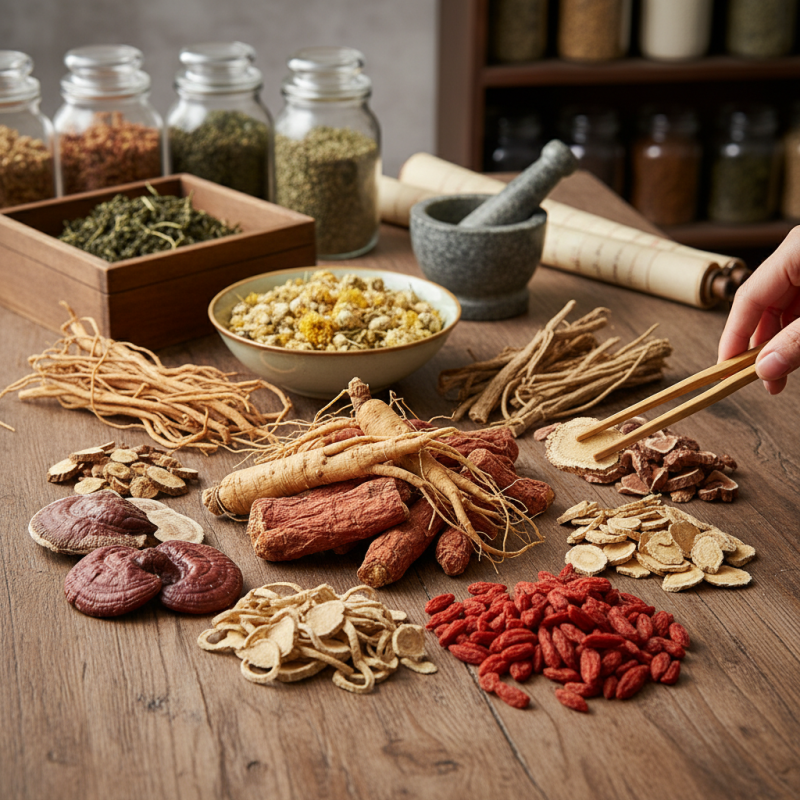
Many herbs are celebrated for their unique properties. For instance, Ginseng is renowned for its energy-boosting effects. Meanwhile, Ganoderma lucidum, known as Reishi, is linked to immune support and stress reduction. The use of these herbs often requires an understanding of their specific applications and dosages. Often, improper usage can lead to side effects or diminished effects. Therefore, consultation with qualified practitioners is essential.

Tips: Always source herbs from reliable suppliers. Look for quality certifications. Research the herbs thoroughly before use. Understanding the right dosages can maximize benefits while minimizing risks. Always be cautious, as not all herbs may interact well with medications.

Popular Chinese Herbs for International Markets

Chinese herbs have gained global popularity due to their unique properties and health benefits. For international buyers, selecting the right herbs requires an understanding of their uses and the demand in various markets. Some herbs, like Ginseng, are well-known for their energy-boosting benefits. Others, such as Goji Berries, are praised for their antioxidant properties. This diversity makes them appealing to different consumer segments.

When considering popular herbs, it's vital to recognize emerging trends. Herbs like Astragalus are becoming sought after for immune support. However, not all herbs suit every market. Certain regions may prefer traditional remedies, while others lean toward modern health trends. Buyers should conduct thorough research to align their choices with local preferences. Knowledgeable sourcing can also mitigate risks associated with quality and efficacy.

Additionally, as demand for herbal products grows, challenges emerge. Finding reliable suppliers can be difficult. Some herbs may face sustainability issues due to overharvesting. Buyers should prioritize ethical sourcing to ensure environmental responsibility. Engaging with experts can enhance decision-making and foster trust within the industry. Collaboration with knowledgeable stakeholders can lead to better insights and better choices overall.

Factors to Consider When Sourcing Chinese Herbs

When sourcing Chinese herbs, several key factors come into play. Understanding the origin of the herbs is crucial. Quality can vary significantly based on the region. For instance, some areas are renowned for specific herbs due to unique soil and climate conditions. Buyers should seek herbs from reputable suppliers with solid sourcing practices.

Another important consideration is the method of cultivation. Organic farming methods are preferable as they tend to yield higher-quality herbs. Conventional farming may involve pesticides. This could impact the final product's safety and efficacy. Ensuring transparency in sourcing helps build trust.

Buyers should also assess the supplier's certifications. Look for recognized standards in quality and safety. Documentation can help verify the herbs’ authenticity. However, it’s critical to remain skeptical. Sometimes, even certified suppliers may lack adequate practices. Research and inquiries into a supplier's reputation can lead to informed decisions. Investing time in understanding these factors can greatly benefit those looking to purchase Chinese herbs.

Top Rated Chinese Herbs for Health Benefits

Chinese herbs have a long history of use in traditional medicine. Many are celebrated for their health benefits. A report from the World Health Organization highlights that herbal medicine is used by 80% of the world's population. This interest in natural remedies continues to grow.

Among the top-rated Chinese herbs, ginseng stands out. It is known for boosting energy and improving cognitive function. Studies suggest that ginseng can enhance stamina and decrease fatigue. Another popular herb is goji berry, rich in antioxidants. Research indicates it may support immune health and promote good vision. Herbalists often recommend it for overall well-being.

However, selecting herbs requires caution. Quality and purity vary widely. Not all suppliers adhere to strict safety standards, which raises concerns. For buyers, ensuring the source of herbs is crucial. There are many options, but not all yield the same benefits. Consumers should look for verifiable quality tests and certifications. This ensures that the chosen herbal products meet high standards for health benefits.

Regulatory Considerations for Global Buyers of Chinese Herbs

The global market for Chinese herbs is flourishing, driven by increasing demand for natural ingredients. However, regulatory considerations can be a maze for international buyers. Different countries have varying regulations on herbal products. Understanding these regulations is crucial for compliance and safe importation.

In the Asian herbal industry, a recent report revealed that around 30% of imported herbal products face regulatory hurdles. Documentation requirements, including safety assessments and quality certifications, differ greatly. For instance, Europe mandates strict adherence to the European Union's Novel Food Regulation, while the U.S. Food and Drug Administration has its own guidelines. Navigating these regulations can pose challenges, particularly for inexperienced buyers.

Buyers must prioritize sourcing from reputable suppliers. Lack of transparency in the supply chain can lead to inferior products. A study found that 25% of herbal supplements tested did not contain the ingredients listed on their labels. This highlights the need for diligence in supplier selection. Recognizing dubious claims and ensuring proper certification can mitigate risks. The right approach can help buyers harness the full potential of Chinese herbs while adhering to legal standards.

FAQS

: What makes Chinese herbs popular internationally?

: Their unique properties and health benefits attract global attention, appealing to different consumer segments.

Why is it important to research local market preferences for herbs?

Buyer choices should align with local traditions and modern health trends. This mitigates risks and enhances sales potential.

What challenges do buyers face in sourcing herbs?

Finding reliable suppliers can be tough. Sustainability issues and quality concerns often arise in the market.

How can consumers ensure the quality of herbs?

Look for verifiable quality tests and certifications. This guarantees that products meet high health standards.

What are the regulatory challenges for importing herbs?

Different countries have varying regulations. Compliance is crucial to avoid legal issues during importation.

How does the lack of supply chain transparency affect buyers?

It may result in inferior products. Some herbs may not contain the ingredients listed, leading to consumer mistrust.

What are the emerging trends in herbal preferences?

Herbs like Astragalus are gaining popularity for immune support. This reflects a shift towards health-conscious choices.

Why is ethical sourcing important in the herbal market?

Ethical sourcing helps ensure environmental responsibility and sustainability, which is increasingly valued by consumers.

What should buyers do when facing regulatory hurdles?

They need to familiarize themselves with specific documentation and safety assessment requirements in their target market.

What can buyers do to improve decision-making in herbal sourcing?

Engaging with experts and knowledgeable stakeholders can provide valuable insights and enhance overall sourcing strategies.

Conclusion

This article provides a comprehensive overview of traditional Chinese herbs, highlighting their various applications in health and wellness. It discusses popular Chinese herbs that have gained traction in international markets, emphasizing their potential health benefits and cultural significance. When sourcing Chinese herbs, global buyers should consider factors such as quality, sustainability, and supplier reliability. Additionally, the article outlines regulatory considerations that buyers must navigate to ensure compliance with international trade standards.

The top-rated Chinese herbs featured in the discussion include well-researched options known for their medicinal properties. This summary serves as a guide for those interested in entering the market for Chinese herbs, equipping them with essential knowledge about sourcing and the unique characteristics of these valuable plants.

Sienna

Sienna

Sienna is a skilled marketing professional with a deep expertise in our company’s core products and services. With a passion for innovation and detail, she plays a pivotal role in crafting insightful blog posts that not only highlight the unique features of our offerings but also provide valuable......