A Chinese Herbs Online Store is more than a digital shelf of dried roots, teas, powders, and prepared formulas. It is a bridge between traditional knowledge and modern purchasing habits. Customers may compare ingredient names on a phone, inspect laboratory reports, and ask whether a product suits their needs. The details matter.
The World Health Organization’s Global Report on Traditional and Complementary Medicine 2019 states that 170 of its member states reported using traditional medicine. Grand View Research also estimated that the global traditional medicine market was worth approximately USD 197.8 billion in 2023. These figures show strong interest, but they do not prove that every online seller is reliable. Market growth can hide weak traceability.
WHO Director-General Dr. Tedros Adhanom Ghebreyesus said, “Traditional medicine is an important, but often underappreciated, part of health care.” His comment supports respect, not blind trust. A responsible Chinese Herbs Online Store should show botanical names, country of origin, batch numbers, testing methods, storage instructions, and clear customer-service contacts. It should avoid exaggerated medical promises and encourage professional advice when needed. Even attractive packaging cannot replace evidence. That is the uncomfortable part. Some product pages remain vague. Buyers must question them. This article explains how these stores operate, what quality signals deserve attention, and where convenience should stop. Prices, regulations, and available formulas can differ by country. Readers should verify local requirements before purchasing or using any herbal product.
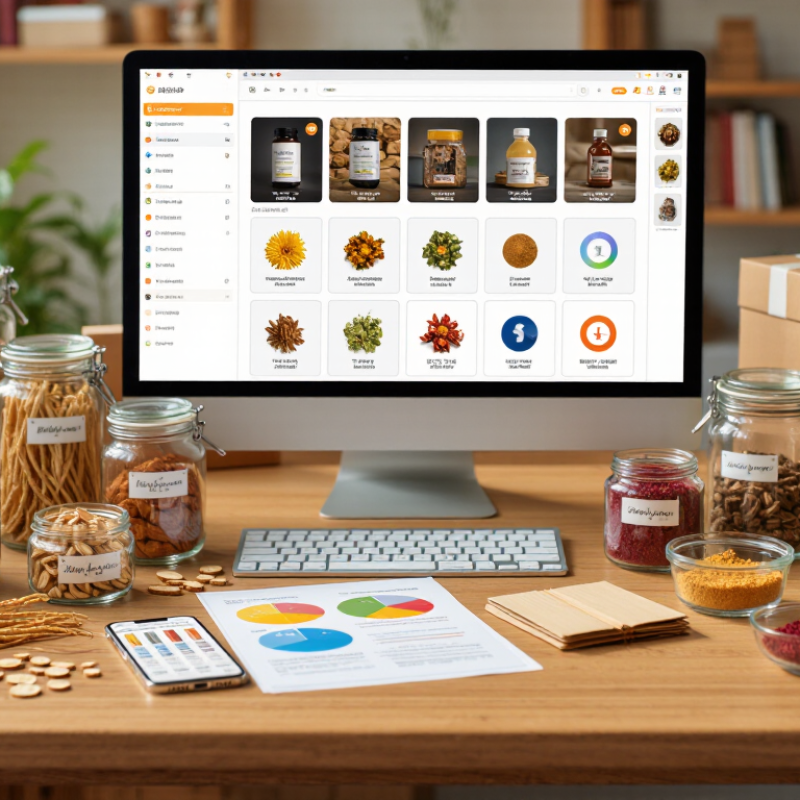
A Chinese herbs online store is a digital shop offering dried herbs, prepared formulas, teas, and related wellness products. Its purpose is to make traditional herbal materials easier to research and purchase. A reliable store should explain each product’s common name, botanical identity, form, origin, and suggested use. Clear information matters more than attractive packaging.
From practical experience, careful buyers should check quality controls before ordering. Look for batch details, testing information, storage guidance, and transparent contact details. Products should arrive sealed, dry, and clearly labeled. A qualified practitioner can also help assess personal needs, allergies, medications, and possible herb interactions. Online descriptions cannot replace individual health advice.
The process is convenient, but it is not perfect. Product names can vary between regions, and translations may create confusion. Some listings also use broad wellness claims without enough evidence. That deserves caution. A responsible store follows applicable laws and avoids promising to diagnose, prevent, or cure disease. It should encourage customers to read labels and seek professional guidance when needed. Good service is not only fast delivery; it is traceable sourcing, honest communication, and respect for informed choices.
A Chinese herbs online store sells traditional plant-based products for home use or practitioner-guided care. Common items include dried roots, flowers, leaves, seeds, mushrooms, herbal teas, powders, and concentrated granules. Some products arrive in sealed pouches with earthy aromas and visible slices. Others dissolve in warm water within minutes.
Traditional categories often describe intended patterns, not guaranteed medical results. Tonifying herbs are associated with supporting qi, blood, yin, or yang. Other categories include exterior-releasing herbs, dampness-transforming herbs, heat-clearing herbs, and digestion-focused formulas. These terms come from traditional theory. They should not replace a medical diagnosis or prescribed treatment. Online descriptions may sound more certain than the evidence allows. That deserves reflection.
Tips: Check the Chinese and botanical names, source, batch number, expiration date, storage instructions, and independent testing information. A reliable seller explains preparation clearly and identifies possible interactions. Ask a qualified practitioner before using concentrated formulas, especially during pregnancy or while taking medication. Start carefully. More is not always better. Keep products dry, sealed, and away from children.
What Is a Chinese Herbs Online Store?
How Online Ordering and Consultation Typically Work
A Chinese herbs online store sells traditional herbal products through a website or digital consultation service. Customers usually browse prepared formulas, single herbs, teas, or topical products. Reliable stores explain ingredients, sourcing, preparation, storage, and reasonable use. Clear contact details also matter. They help customers ask informed questions before purchasing.
The process often begins with an online health questionnaire. A qualified practitioner may ask about sleep, digestion, allergies, current medicines, pregnancy, and personal goals. Some services offer video consultations instead. The practitioner should explain that traditional assessment does not replace urgent medical care or a licensed diagnosis. They should also check possible herb and medicine interactions before suggesting anything. Good guidance feels personal, not rushed.
After consultation, the store may provide granules, dried materials, or ready-to-use products. Instructions should state the serving amount, timing, storage conditions, and expected follow-up. Customers should receive sealed packaging and readable labels. Check the product when it arrives. Does the seal look intact? Is the ingredient list complete? Sometimes online descriptions are incomplete, and that deserves careful questioning. I would not rely on a dramatic health promise. Evidence and professional judgment can be limited for some traditional uses. A trustworthy service admits uncertainty and encourages medical advice when symptoms persist, worsen, or seem unusual. Privacy also deserves attention, since consultation forms can contain sensitive health information.
Online Chinese herbal stores commonly combine product browsing with remote consultation. Customers usually provide health information first, discuss their needs with a qualified practitioner, review the recommended herbal approach, and then complete the order. The workflow and timing can vary by store, practitioner, and order complexity.
A Chinese herbs online store sells dried botanicals, prepared formulas, teas, and related wellness products through digital channels. Demand is substantial. The World Health Organization’s Global Report on Traditional and Complementary Medicine 2019 found that 170 of 194 member states reported using traditional medicine. This figure shows broad interest, not automatic proof of product quality.
Quality begins with traceability. A reliable store should show the herb’s Chinese and botanical names, plant part, origin, batch number, and expiry date. Clear storage advice matters too. I look for independent testing of identity, microbes, heavy metals, pesticides, and undeclared pharmaceutical ingredients. The American Botanical Council’s 2023 Herb Market Report reported more than 12 billion dollars in U.S. herbal supplement sales. A growing market can encourage better testing. It can also reward attractive claims.
Authenticity is harder online. A sharp photograph proves little. Product samples should match documented specifications, and suppliers should maintain certificates of analysis for each batch.
Safety requires honest warnings about pregnancy, allergies, surgery, and medicine interactions. The National Institutes of Health notes that natural products can still interact with prescription medicines. A store should encourage consultation with a qualified practitioner, especially for long-term use. I would not trust a seller promising instant cures. That claim deserves scrutiny. Even a clean-looking certificate may be outdated, incomplete, or unrelated to the purchased batch. Readers should ask questions before placing the order.
What Is a Chinese Herbs Online Store?
A Chinese herbs online store sells traditional herbal products through a digital catalog. A trustworthy store explains each product’s common name, ingredients, origin, batch details, and suggested use. Labels should avoid unsupported promises, such as guaranteed cures. Regulations differ between countries, so responsible sellers follow local rules for food, supplements, labeling, and advertising. They should also provide clear warnings about allergies, pregnancy, medication interactions, and professional consultation.
Shipping requires more than placing herbs in a box. Some products may face customs checks, import limits, or documentation requirements. A reliable store states where it ships, how parcels are packed, and how tracking works. Powdered herbs need sealed, moisture-resistant packaging. Heat-sensitive items may require different handling. Delivery estimates should be honest, not optimistic guesses. Customs delays can still happen.
Customer support shows whether the store understands its responsibility. Helpful staff can answer questions about ingredients, storage, damaged parcels, and return conditions. They should not diagnose illness or replace qualified medical advice. A clear contact method matters, especially when a customer receives the wrong item. Response times should be published. In practice, policies can feel confusing. I have found that plain language builds more trust than impressive claims. Even careful stores make mistakes, so correction procedures should be visible and easy to follow.
It sells dried botanicals, prepared formulas, teas, and related wellness products online. Product quality can vary widely.
Look for Chinese and botanical names, plant parts, origin, batch numbers, and expiry dates. Storage instructions should be visible. Testing should cover identity, microbes, heavy metals, and pesticides.
No. A sharp image proves little. Ask whether the sample matches documented specifications and the purchased batch.
Request a batch-specific certificate of analysis. Check its date, product name, testing scope, and batch number. A certificate may still be incomplete.
Warnings should mention allergies, pregnancy, surgery, and medicine interactions. Natural products can still affect prescription medicines. Ask a qualified practitioner before long-term use.
Be careful with guaranteed cures or instant results. Those promises deserve scrutiny. Real effects may be slower, uncertain, or absent.
Review shipping countries, customs rules, import limits, packaging, and tracking details. Moisture-resistant seals matter for powdered products. Delays can happen.
Staff should explain ingredients, storage, damaged parcels, returns, and wrong-item procedures. They should not diagnose illness. Plain language helps. Some policies remain confusing.
A Chinese Herbs Online Store is a digital platform that helps customers explore and purchase traditional Chinese herbal products from home. These stores may offer dried herbs, herbal teas, powders, prepared formulas, and other commonly used categories associated with traditional wellness practices. Their purpose is to make product information, ordering, and access to professional guidance more convenient while encouraging customers to choose products appropriate to their individual needs.
Online ordering typically involves browsing product descriptions, reviewing suggested uses, and contacting a qualified consultant when questions arise. Quality and safety are important, so customers should look for clear ingredient lists, sourcing details, testing information, storage instructions, and appropriate usage guidance. Reliable stores should also explain applicable regulations, shipping limitations, return policies, and customer support options. Customers should follow local requirements, use products responsibly, and consult a healthcare professional when they have medical conditions, take medication, or are uncertain about suitability.

Neo-Green Herbs