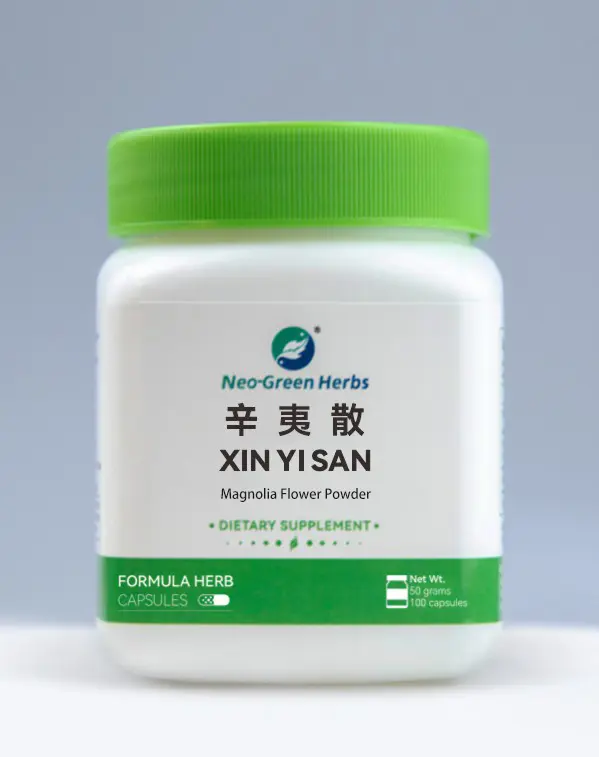
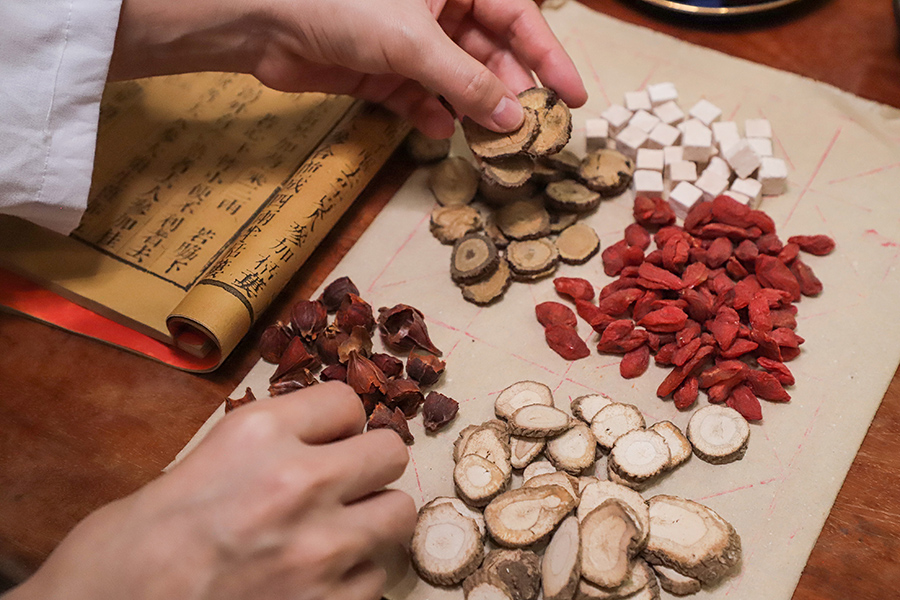
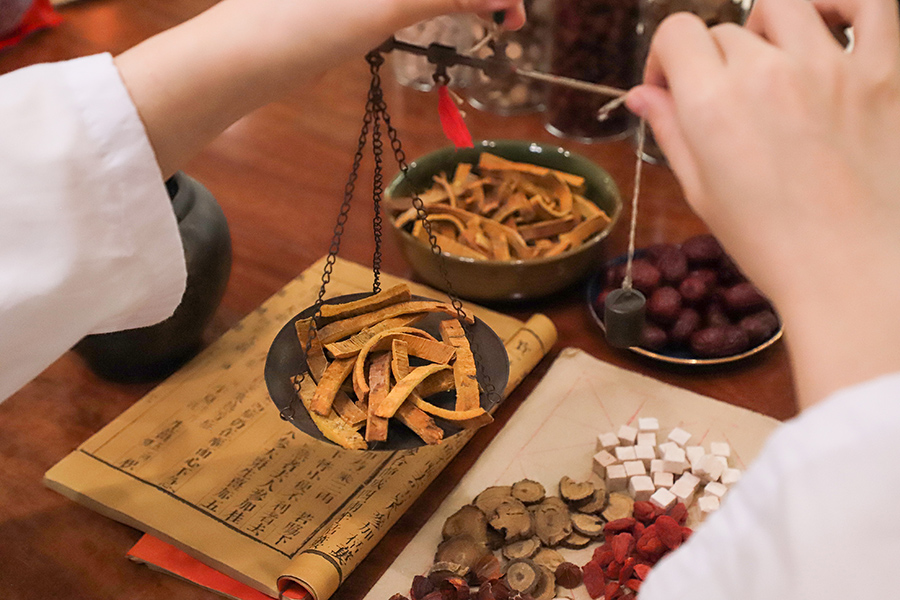
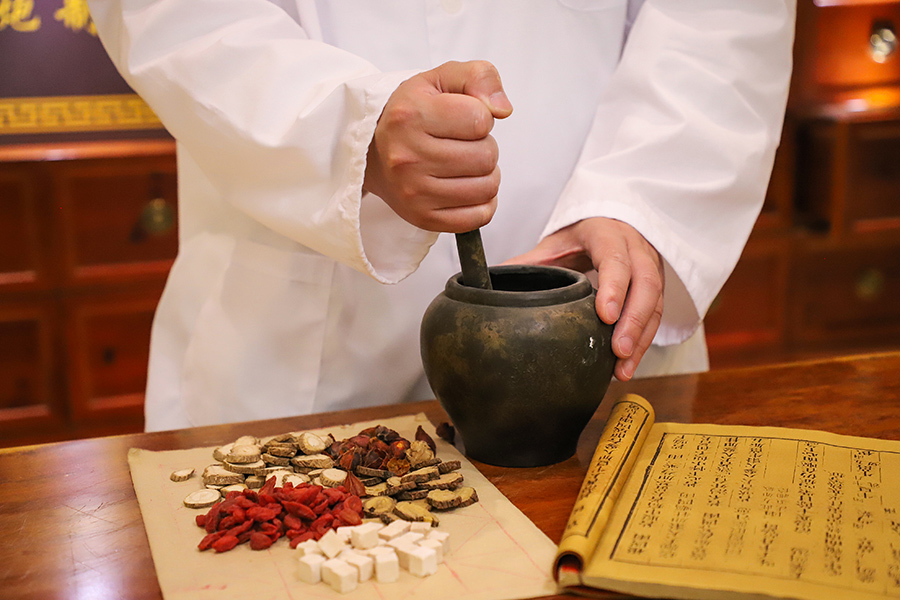
Magnolia Flower Powder, a classic remedy originating from the wisdom of ancient Chinese medicine, has its roots deeply rooted in ancient texts such as the Jisheng Fang, and through the ages, it is still regarded as a treasure for the treatment of nasal ailments by the Chinese medical profession. This formula carefully combines the essence of several natural herbs, including Xinyi Ren, Xin Xin, Ligusticum, Sheng Ma, Chuanxiong, Mutong, Fenghuang, Qiangwu, Licorice, White Angelica Root, etc., each of which carries TCM practitioners' deep insights into the natural world and unique insights into human health.
Magnolia Flower Powder has become the preferred solution for nasal discomfort in TCM clinics with its unique effects of clearing heat and dampness, elevating clearness and lowering turbidity. It has shown remarkable therapeutic effects on symptoms such as nasal congestion, runny nose, reduced sense of smell and even loss of smell caused by wind, cold, dampness and heat attack due to weak lung qi. At the same time, Magnolia Flower Powder can also play a significant role in regulating polyps, redness, swelling and pain in the nose, as well as the accompanying symptoms of damp-heat in the lung meridian, such as red tongue and greasy moss.
Guidance of Chinese Medicine Theory
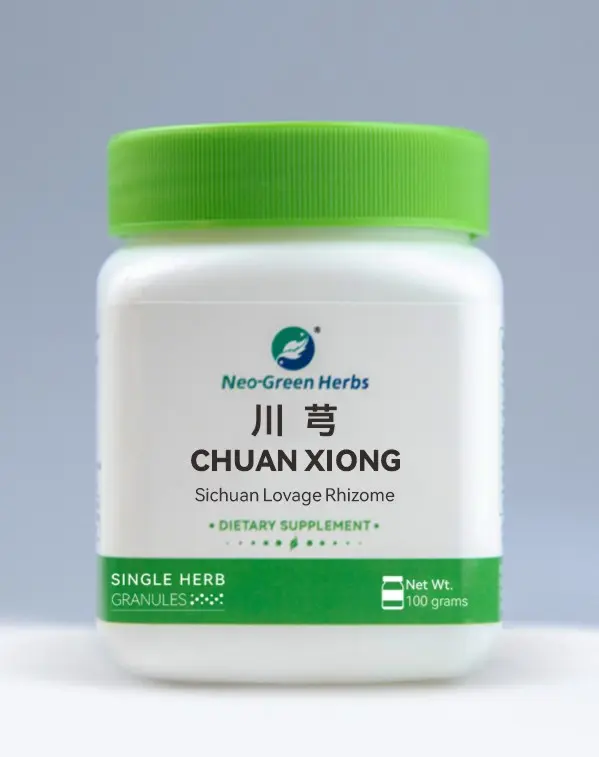
Under the guidance of Chinese medicine theory, the herbs in Magnolia Flower Powder each play their own roles and work together to build a harmonious therapeutic system. Xinyi, Shengma and White Angelica Root, with their ascending and dispersing power, lead the qi of the body's clear yang upward and unobstructed the nasal orifices; Fangfeng, Qiangwu and Ligusticum are good at dispelling wind and removing dampness, clearing away heat and removing toxins, and building a solid barrier to nasal health; Xinxin, with its pungent and dispersing nature, breaks up stasis and disperses knots to unlock the qi; and Rhizoma Ligustici Chuanxiong can nourish the liver, moisten the dryness and relieve depression, and promote the smooth flow of qi and blood.
Efficacy, Precautions, and Clinical Importance
Modern scientific research has further revealed the pharmacological mechanism of Xin Yi San. Studies have shown that the volatile oil, alkaloids, vitamins and other active ingredients contained in the herbs have multiple pharmacological effects, such as constricting the blood vessels of the nasal mucosa, reducing the inflammatory response and regulating the immune function.
In clinical practice, Magnolia Flower Powder is widely used in the treatment of allergic rhinitis, sinusitis, nasal polyps and other nasal diseases. For patients with allergic rhinitis, it can rapidly relieve symptoms such as nasal congestion, sneezing and runny nose. For patients with sinusitis, it can remove damp and heat evils in the sinuses and promote smoothness and recovery.
Precautions: It should be used with caution or avoided in certain groups such as pregnant women, people with yin deficiency and fire exuberance, as well as patients with solid heat syndrome. Accuracy and safety must be ensured based on the patient's specific situation.
Frequently Asked Questions
What is the primary use of Magnolia Flower Powder?
It is primarily used in TCM to treat nasal ailments including congestion, runny nose, allergic rhinitis, and sinusitis by clearing heat and dampness.
What are the main herbal ingredients?
The formula includes Xinyi Ren, Xin Xin, Ligusticum, Sheng Ma, Chuanxiong, Mutong, Fangfeng, Qiangwu, Licorice, and White Angelica Root.
How does it work according to modern science?
Active ingredients like volatile oils and alkaloids help constrict nasal mucosal blood vessels, reduce inflammation, and regulate immune function.
Are there any side effects or contraindications?
It should be avoided by pregnant women and those with yin deficiency or solid heat syndrome. Consultation with a TCM practitioner is recommended.
Can it treat nasal polyps?
Yes, clinical practice has shown that Magnolia Flower Powder can be effective in treating redness, swelling, pain, and polyps in the nasal cavity.
Is it effective for loss of smell?
Yes, it is often prescribed for a reduced or lost sense of smell caused by wind, cold, or damp-heat attacks affecting the lung qi.
 Neo-Green Herbs