Details and Efficacy of Honeysuckle and Forsythia Formula
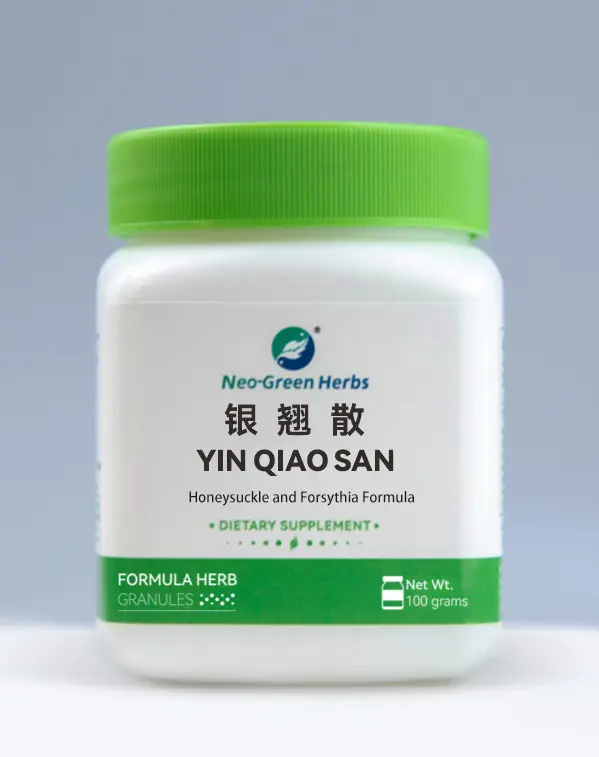
Honeysuckle and Forsythia Formula is a classic Chinese medicine prescription, originating from the book “Articles on Warm Diseases” written by Wu Jutong, a famous warm disease scholar in the Qing Dynasty. It is recorded in the book, “Taiyin wind-warm, warm fever, warm epidemic, winter warm, the first malignant wind-cold, Gui Zhi Tang is the main one; but the heat is not malignant cold, the pungent and cool flat agent Honeysuckle and Forsythia Formula is the main one.” Honeysuckle and Forsythia Formula is a representative formula of pungent and cool antidepressant, known as “pungent, cool and leveling agent”, which is mainly used for treating superficial heat at the beginning of warm disease. The formula consists of ten herbs, including honeysuckle, forsythia, platycodon, peppermint, bamboo leaves (or light bamboo leaves), reed root, licorice, thorns, edamame, burdock, etc. These herbs are mostly flowers, grasses, leaves and other aromatic light and clear products, like a refreshing cool breeze in early summer.
The Characteristics of Honeysuckle
The characteristics of Honeysuckle and Forsythia Formula are mainly reflected in its subtle combination and remarkable efficacy. In the formula, honeysuckle, forsythia smells fragrant, can evacuate wind-heat, pungent and cool penetration of the surface, clearing heat and detoxification, the two together as the king's medicine. Peppermint, burdock flavor and coolness, good at evacuating the upper focus of wind-heat, but also clear the head and eyes, detoxification and pharyngeal. Thorny mustard sprigs and black beans are pungent and slightly warm, enhancing the power of pungency and dispersal. Rehmannia glutinosa, bamboo leaves clear away heat and promote the production of fluids, while Platycodon grandiflorum and burdock promote the purging of lung qi and detoxification of the pharynx.
Efficacy, Precautions, and Clinical Importance
Glycyrrhiza glabra can harmonize the medicinal properties, and also combine with Platycodonis to relieve the pharynx and cough. Honeysuckle and Forsythia Formula is mainly used for the treatment of the initial symptoms of warm disease, such as fever, cough, and sore throat. Modern pharmacological research shows that honeysuckle, forsythia, licorice and burdock have antiviral effects, especially against influenza and herpes viruses.
However, when using Honeysuckle and Forsythia Formula, it is still necessary to discriminate and treat patients according to their specific conditions. For pregnant women, lactating women, and children, it should be used under the guidance of a professional doctor to ensure safety.
💡 Frequently Asked Questions (FAQ)
Q1: What are the main ingredients of the Honeysuckle and Forsythia Formula?A: The formula consists of ten herbs, including honeysuckle, forsythia, platycodon, peppermint, bamboo leaves, reed root, licorice, thorns, edamame, and burdock.
Q2: What primary symptoms does this formula treat?A: It is mainly used for initial warm disease symptoms such as fever, cough, sore throat, dry mouth, and thirst.
Q3: Does it have any antiviral properties?A: Yes, modern research indicates that flavonoids in herbs like honeysuckle and forsythia can inhibit influenza and herpes viruses.
Q4: Can it be used for pediatric conditions?A: Yes, it has shown efficacy in treating pediatric infectious diseases, such as mumps, but should be used under medical guidance.
Q5: Who should exercise caution when using this formula?A: Pregnant women, lactating women, and children should only use it under the guidance of a professional doctor to ensure safety.
Q6: What is the origin of this medicinal prescription?A: It originates from the classic Qing Dynasty book "Articles on Warm Diseases" written by the famous scholar Wu Jutong.
 Neo-Green Herbs